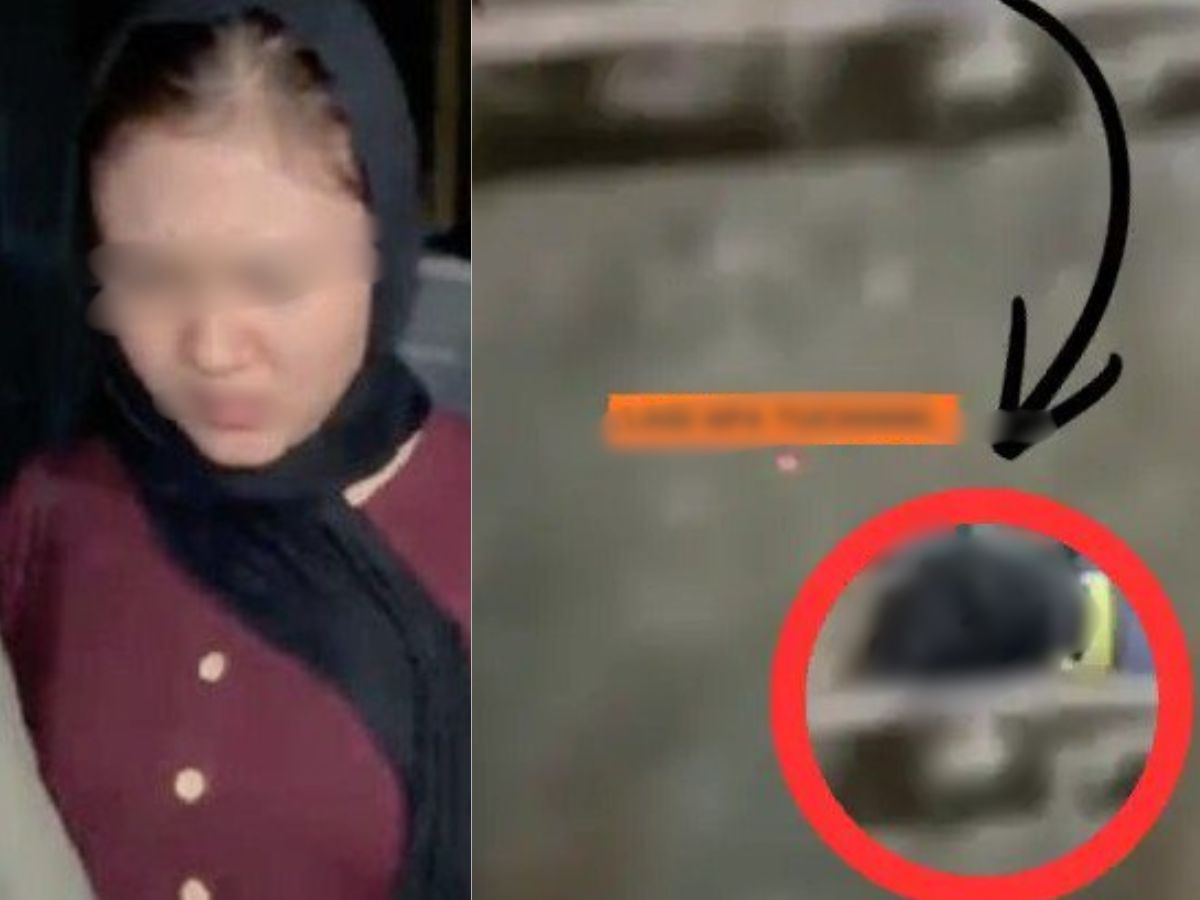
Dea Store Meulaboh viral MMS sparks ‘obscene act’ claims. (Photo: X)
A viral controversy has erupted around Dea Store, a mobile phone shop in Meulaboh, Aceh (Indonesia), after a late-night incident inside the shop. Residents became suspicious when a female employee stayed inside long after closing hours, and the shop owner, a 40-year-old man from outside West Aceh, entered the shop late at night.
Local youths and villagers reportedly conducted a late-night raid shortly before Imsak (pre-dawn Ramadan meal). Inside the darkened shop, they found the shop owner and the female employee alone in a single room.
Soon after, social media posts claimed that the pair were caught in an ‘obscene act’, which caused the incident to go viral. The Dea Store viral MMS became a trending topic across TikTok and X (Twitter), with millions of users searching for the video.
Village officials later clarified that no physical evidence confirmed an obscene act had occurred. Investigations suggested that the two may have discussed prohibited conduct, but no concrete proof was available. The female employee is reportedly 20 years old and recently moved from Medan (North Sumatra) to Meulaboh.
Because Aceh enforces Islamic Sharia law, the case has been referred to Wilayatul Hisbah (Sharia police). Authorities are checking whether the situation qualifies as “khalwat”, or seclusion between unmarried men and women, which is punishable under local law.
Many fake links claiming to show the ‘full viral video’ are circulating online, but these are primarily scams. Cybersecurity experts warn that clicking such links can install spyware, steal UPI pins, intercept OTPs, and compromise personal data.
Scammers often hijack viral trends, using the urgency of a trending story to lure victims into phishing traps. The typical process involves:
Trend hijack: Monitoring Google Trends and flooding social media with the trending name.
The hook: Pairing blurred photos with captions like “Assam viral video” to create urgency.
Redirect chain: Clicking routes through multiple shady domains before delivering malware or fake login pages.
The payload: No video is delivered; instead, spyware steals data and spreads itself to contacts.
Sharing such links can be a criminal offence. Under India’s IT Rules 2026, platforms must remove deepfake nudity within two hours, and forwarding such content under the Bharatiya Nyaya Sanhita may result in up to five years imprisonment. Pakistan’s PECA 2016 has similar provisions. Users are advised to report suspicious links at cybercrime.gov.in.
Authorities and community leaders urge the public not to share unverified videos or links, and to remain cautious of online scams masquerading as viral MMS clips.
Dodge the cops, reach the protest: India's latest online political game goes viral
By Tora Agarwala and Aftab Ahmed NEW DELHI, Oct 16 (Reuters) - A web-based multiplayer…
Eli Lilly's weight-loss pill wins EU drug regulator's backing
By Sriparna Roy Oct 16 (Reuters) - The European Medicines Agency's committee on Friday recommended…
NIF Global Presents GENNEXT: Three Bold Visions at Lakmé Fashion Week x FDCI
Celebrating Sustainable Luxury, Surrealism, and Cultural Storytelling, GENNEXT Spotlights the Next Generation of Indian Fashion at…